
Skip to content

Free Shipping on orders above 499 DKK!

Gorrissen Federspiel office in COpenhagen featuring Fritz Hansen China Chair designed by Wegner

WORKSPACE

Gorrissen Federspiel

Axel Towers, Copenhagen, Denmark 
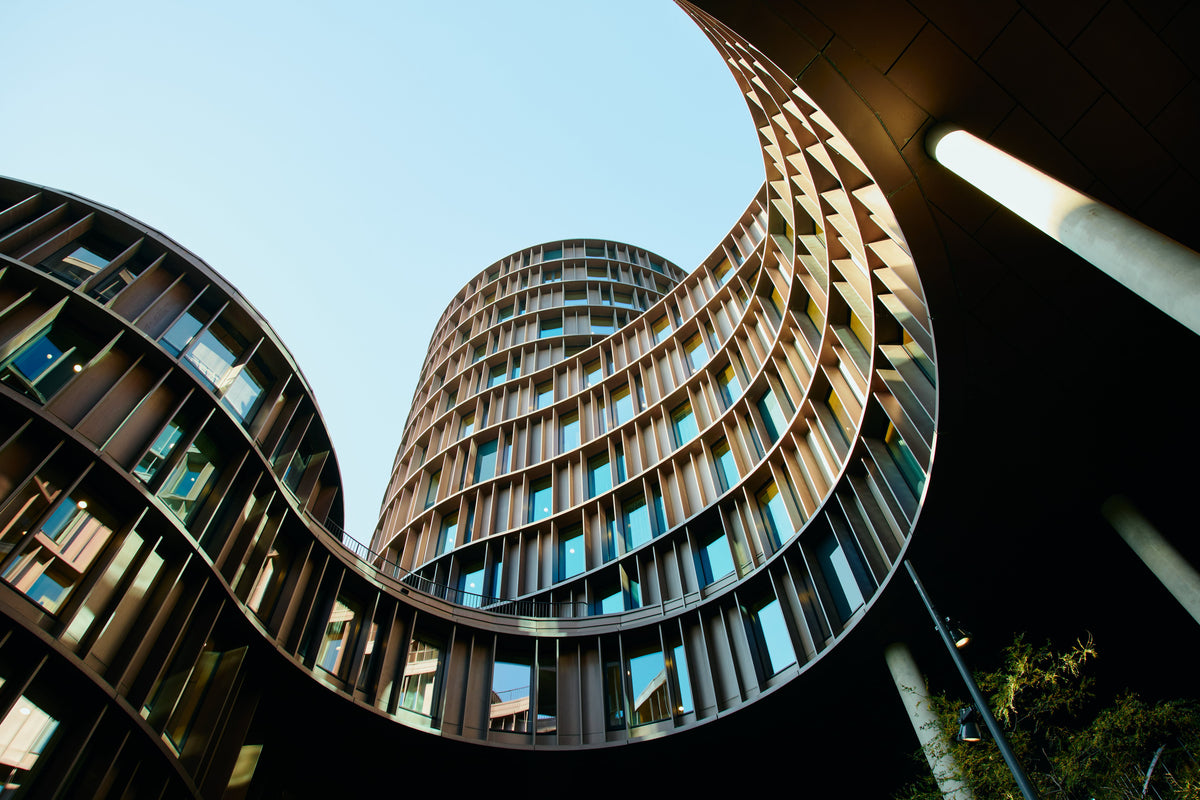
On the tenth floor of Axel Towers, two pieces of Danish design meet across more than seven decades. The building, completed by Lundgaard & Tranberg Architects in 2017, is home to the law firm Gorrissen Federspiel. Around its boardroom table stands the China Chair™, designed by Hans J. Wegner in 1944 and made by Fritz Hansen ever since.

Gorrissen Federspiel office in COpenhagen featuring Fritz Hansen China Chair designed by Wegner

BUILT TO STAY

Curves that meet

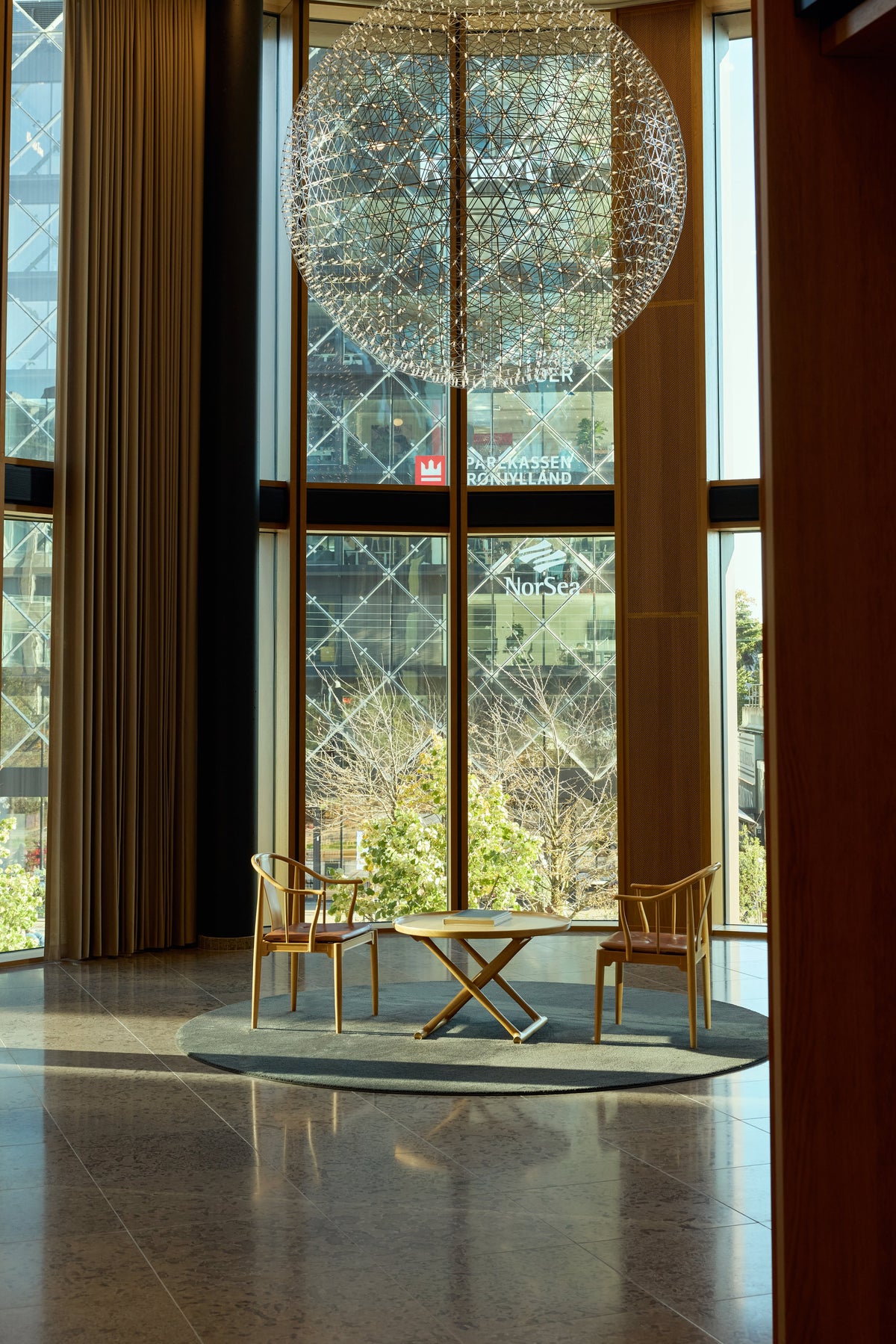
In the reception, a circular room filled with daylight, two China Chairs wait for guests. Their rounded top rails follow the curve of the walls, and soft leather cushions make the wait an easy one.

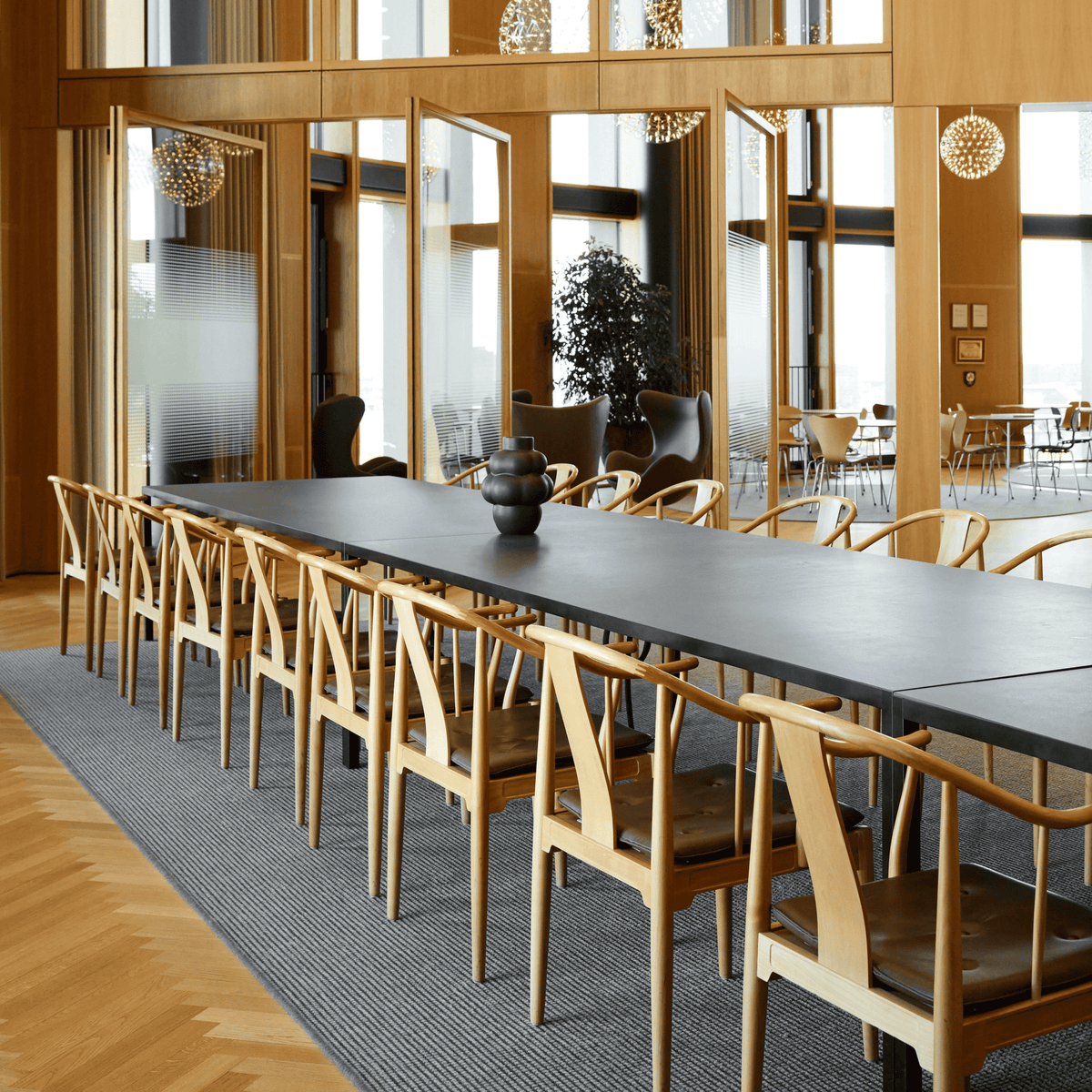
In the boardroom, 24 China Chairs line a long meeting table. The shaped backrest and cushioned seat are made for long hours of discussion, and the leather will develop a patina with use, gaining character as the years go by.

“Having Fritz Hansen as a partner helps us tell a story about quality and tradition, which are key values for Gorrissen Federspiel,” says Maj-Britt Leander, Head of Facility & Service.

Gorrissen Federspiel office in COpenhagen featuring Fritz Hansen China Chair designed by Wegner

Location: Copenhagen, Denmark
Project type: Workspace
Project completed: 2026

Two kinds of craft

The building and the chair answer the same question at different scales: how to make something that will still be in use long after it was made. For Lundgaard & Tranberg, that meant a facade of tombac, a golden alloy of copper and zinc that darkens slowly over the years, a form that can be approached from every side, and public space returned to the city. For Wegner, it meant solid wood, careful joinery and a chair designed to be complete from every angle. Inside and out, the materials are chosen to gain character with use.

Wegner drew on Chinese chairs of the 17th and 18th centuries, studying their construction rather than their surface. “Our aim was to make things as simple and genuine as possible,” he said, “to show what we could create with our hands.”


Made to stay

Each China Chair is still crafted and assembled by hand in Denmark. More than 80 years after Wegner first drew it, it sits naturally in a building less than a decade old, and is built to remain there as long as the walls around it.