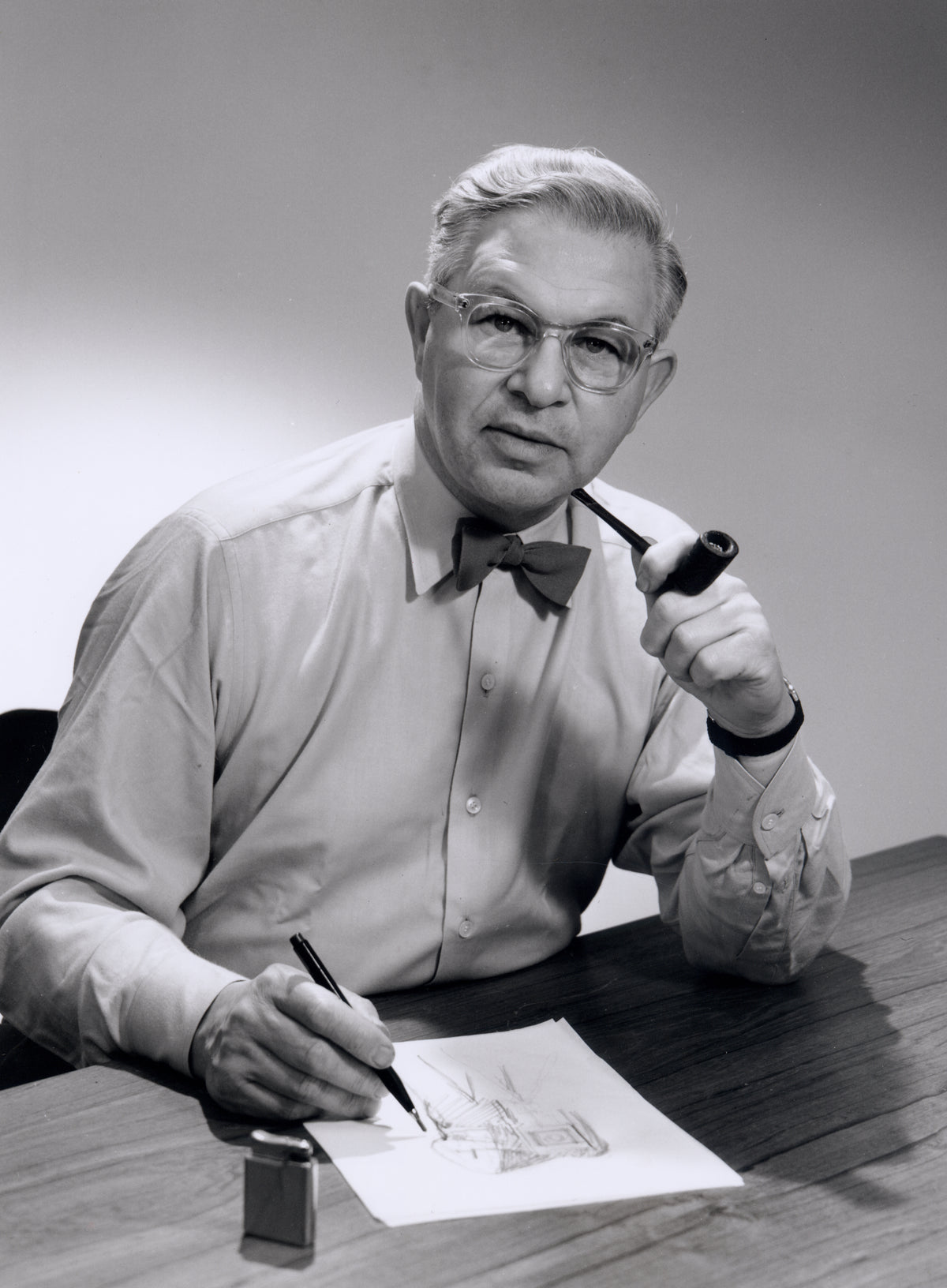



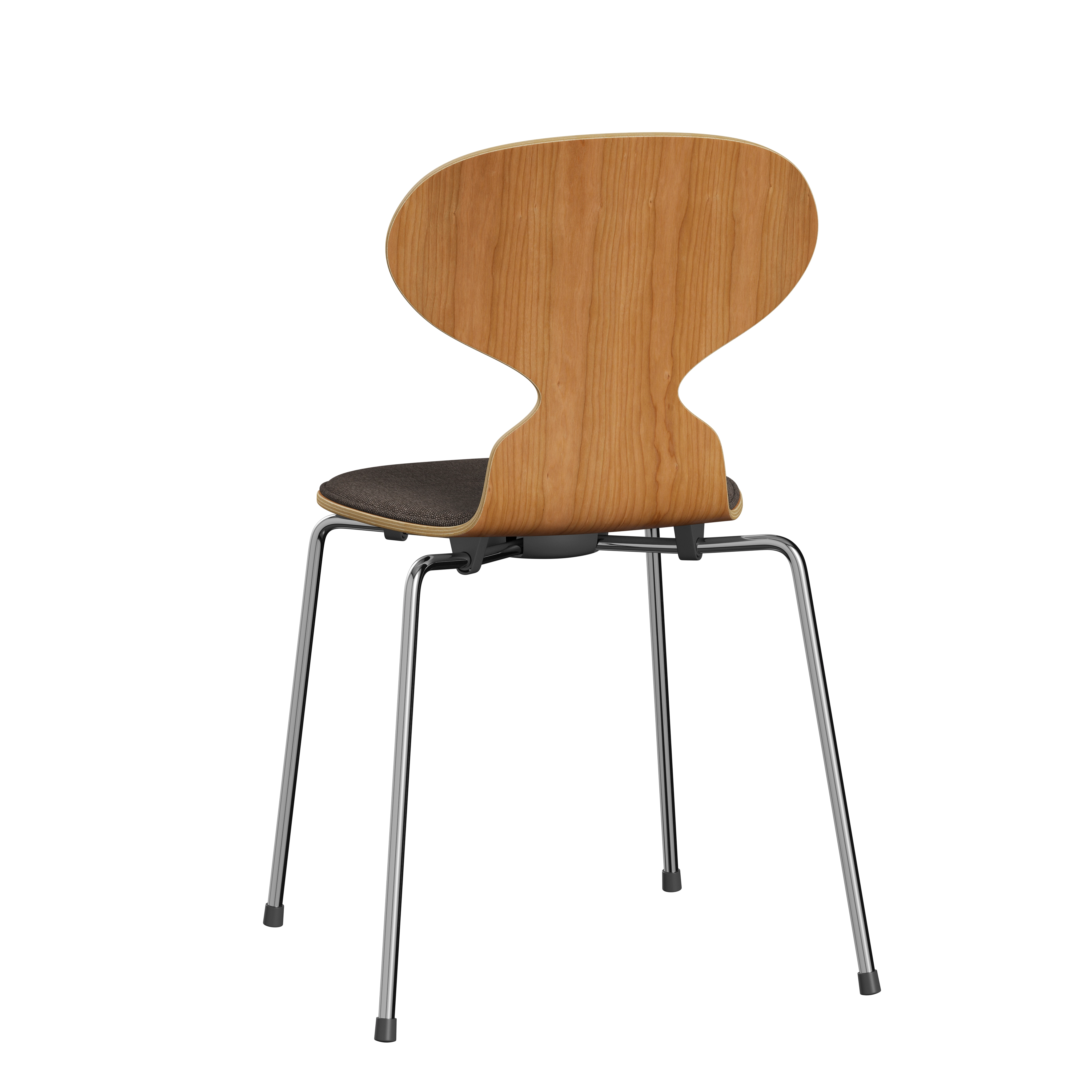
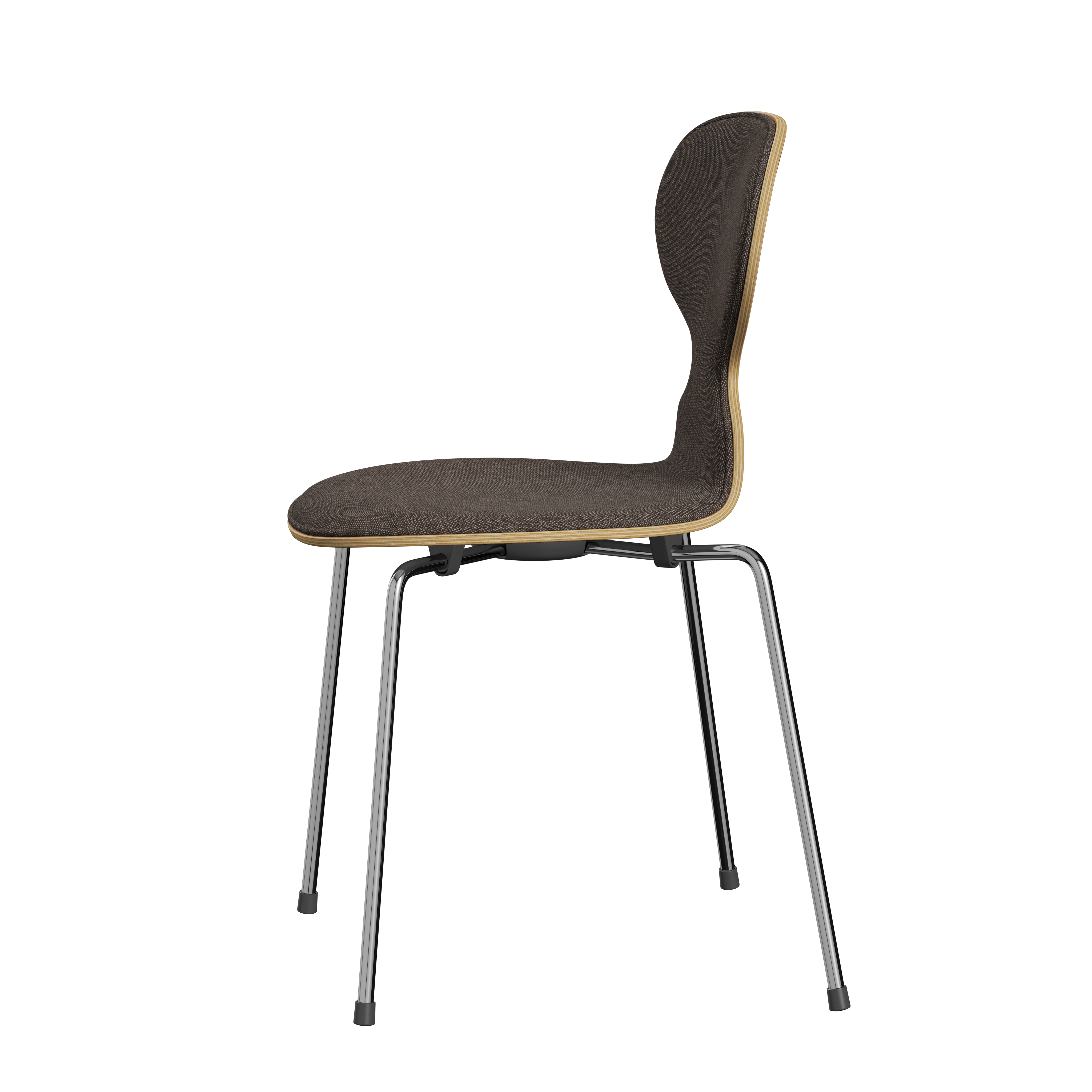
Designed by Arne Jacobsen, 1952
Ant™ 3101 Chair, Front upholstered, Textile Clear Lacquered veneer
Regular price
5.699,00 DKK
Sale price
Regular price
Tax included.
Shipping calculated at checkout.
Estimated shipping from Denmark: Feb 7, 2027 - Feb 17, 2027
Delivery estimate available at checkout.

Anchor text
About this product
About this product
Specifications
Specifications
Dimensions
Height:81 cm
Width:52 cm
Depth:48 cm
Seat Height (Standard):46 cm
Weight:3.88 kg
Height:31.9 in
Width:20.4 in
Depth:18.9 in
Seat Height:18.1 in
Weight:8.55 lb
Other specifications
Stackable:no
Certifications


SKU: 3101FRU-CHE1-CLA004-CST_A440-FN-LN-FS
EAN: 5702370926748
Care and Maintenance
Care and Maintenance
Care:
Cleaning:
Note:
Care:
Cleaning:
Note:
Care:
Cleaning:
Note:
Delivery and Return
Delivery and Return
Spare parts
Spare parts
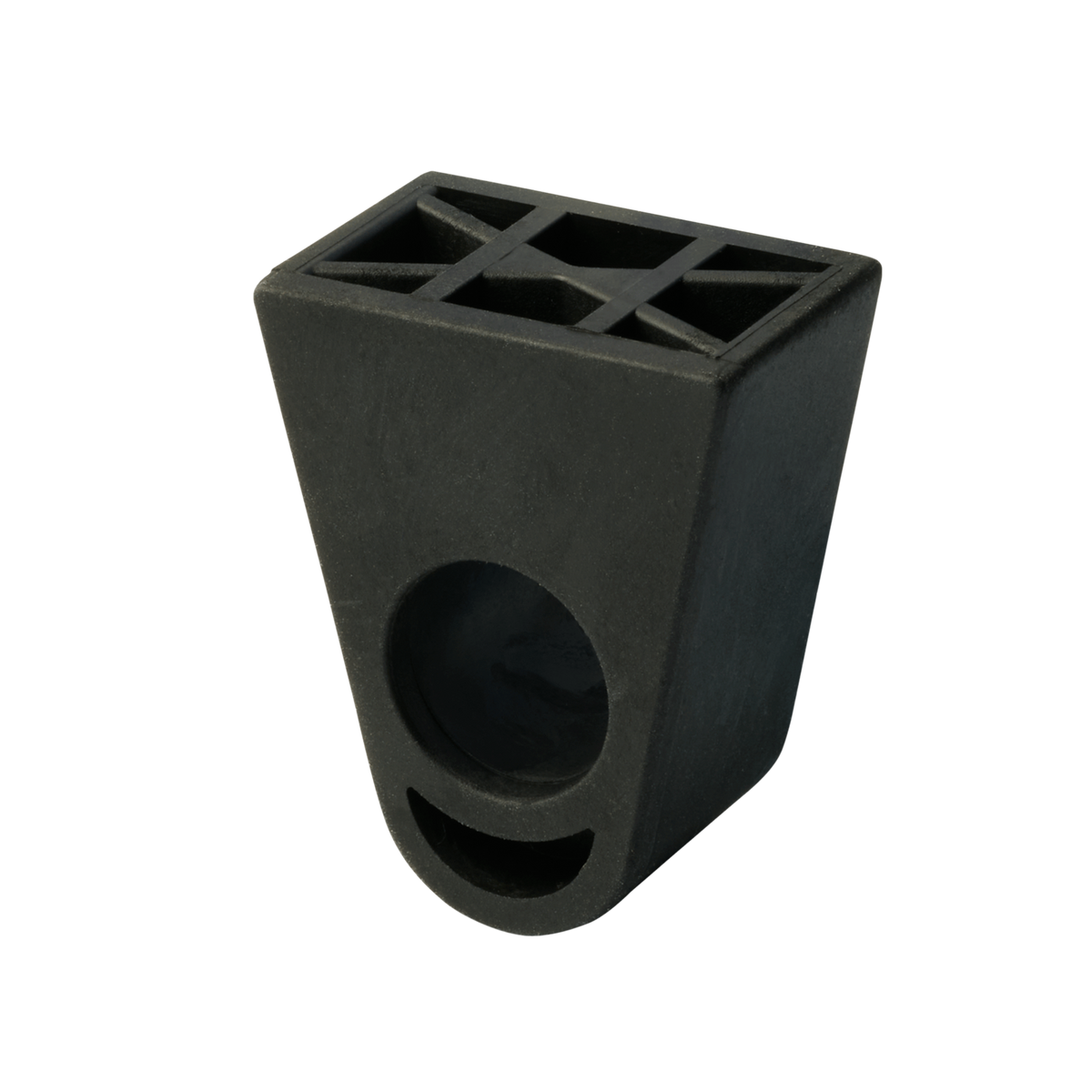
Spacer for Series 7™, Ant™, Lily™ & Grand Prix™
Regular price
24,00 DKK
Sale price
Regular price
Choose your option

Glider with Felt for Series 7™, Ant™, Lily™ & Grand Prix™
Regular price
24,00 DKK
Sale price
Regular price
Choose your option

Glider for Series 7™, Ant™, Lily™ & Grand Prix™
Regular price
24,00 DKK
Sale price
Regular price
Choose your option

Cover, 4 legs, for Series 7™, Ant™, Lily™ & Grand Prix™
Regular price
119,00 DKK
Sale price
Regular price
Choose your option